
Election 2026
Election 2026 – Resources policies
We asked the main parties in Parliament for their Resources policies in advance of the 2026 General Election.
You can read their policies here. They are divergent and range from severely restricting mining, to being able to capitalise on the growth we have seen in interest in mining in New Zealand in the past three years.
As an industry we reject bans as dated and unnecessary in a regime where mining applications are considered on a case-by-case basis.

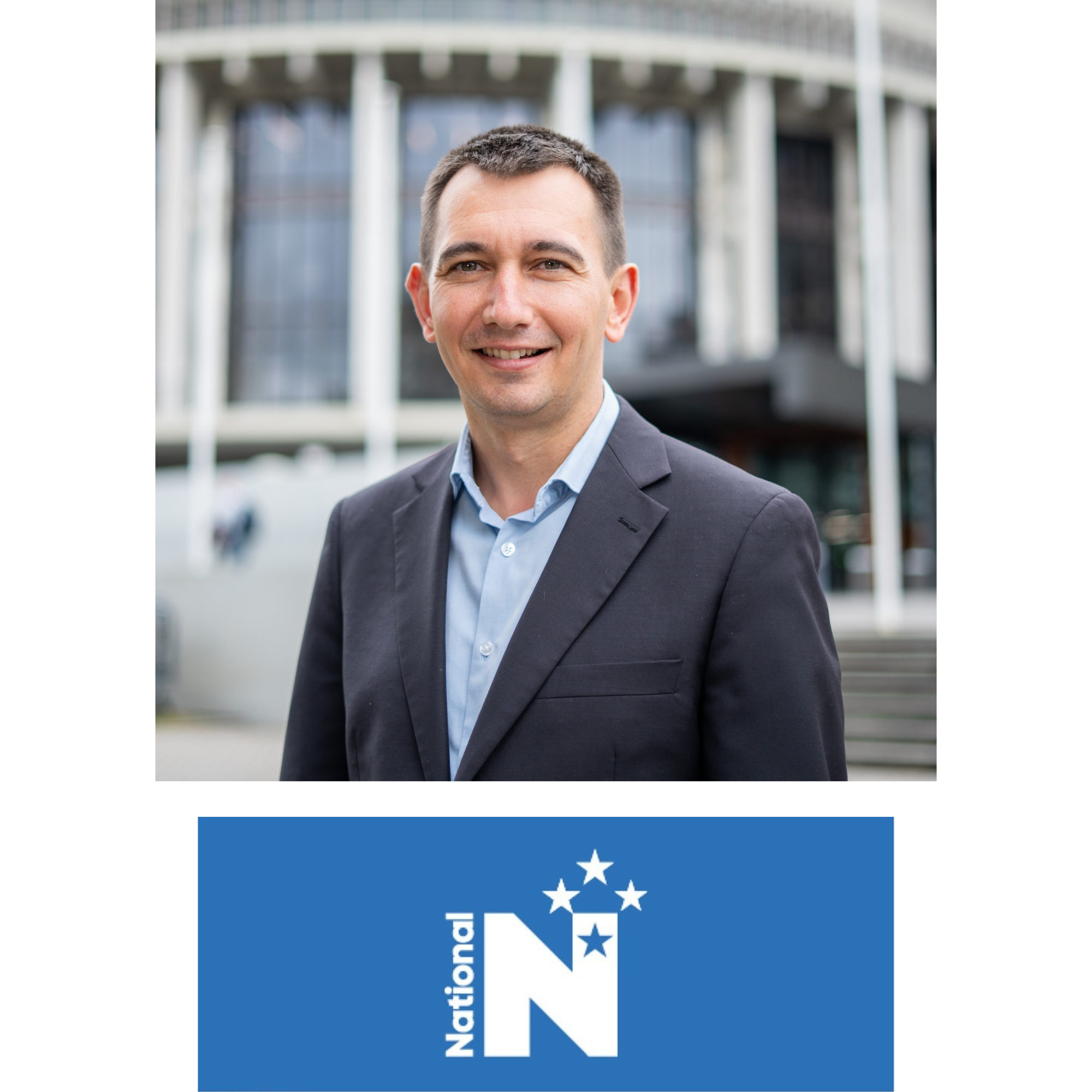
National’s Resources spokesperson Hon. Simeon Brown.
National backs mining. Mining produces the resources needed for a modern society. Everything from technology and renewable energy to the roads New Zealanders drive on, depend on mining. Mining sustains high-paying jobs and drives investment and growth in regional New Zealand. In government, National has backed the sector with initiatives including Fast Track, cutting red tape, grounding environmental protections in science, Investment Boost, and building the trades workforce.
New Zealand’s economic recovery is export-led. We’ve added $20 billion to export value since coming into government, and mining is part of that story. A National-led government will continue to support regional economies and jobs by backing mining.
Cutting red tape
The Resource Management Act was the most growth-strangling law on the books. We’ve scrapped it and replaced it with a planning system that makes it easier, cheaper and faster to build the projects New Zealand needs. Fewer consents will save New Zealanders $13 billion over 30 years and add $3 billion to the economy every year. We promised a planning system that says “yes”, and we’ve delivered. Only a re-elected National government can make sure it’s implemented in a way that lifts productivity.
Mines and quarries are already benefiting from Fast Track. With one-stop consenting, projects that would otherwise be stuck in costly, layered processes can be approved, creating jobs and boosting regional economies. The Waihi North expansion is expected to generate $5.2 billion in additional gold and silver exports over its 18-year life and support 800 jobs. It will also bring in Crown revenue that helps fund the healthcare, education and infrastructure every New Zealander relies on.
We’ve also amended five major National Direction instruments to make it easier to quarry, mine and operate in coastal marine areas, without sacrificing environmental protections.
Protecting the environment
National wants a consenting system that is clear and consistent and balances growth with environmental protection. Mining creates opportunities, but consistent, practical safeguards must remain to protect New Zealand’s natural heritage.
That’s why we’ve progressed the Conservation Amendment Bill. It updates a nearly 40-year-old conservation system that no longer works as it should, protecting our land more sustainably while unlocking growth.
Building the workforce
Mining needs a pipeline of skilled workers. We’ve doubled trades academy places from 10,000 to 20,000, reformed the curriculum and are replacing NCEA so school leavers are ready for work.
Securing our energy future
National wants to see abundant, affordable and reliable electricity for all New Zealanders to underpin economic growth.
We have taken a number of actions to improve New Zealand’s energy security in a volatile world, including increasing diesel storage capacity. We reversed the previous government’s reckless oil and gas exploration ban which added uncertainty to the electricity market and damaged New Zealand’s reputation as an investment destination.
National backs a diverse mix of electricity generation and firming to provide resilience and reliability. We are procuring an imported LNG facility because back-up is needed for the electricity system. That mix protects jobs, safeguards our energy sovereignty and keeps downward pressure on power bills.
It’s part of National’s plan to fix the basics, build the future, and deliver higher wages and more jobs through a growing economy.
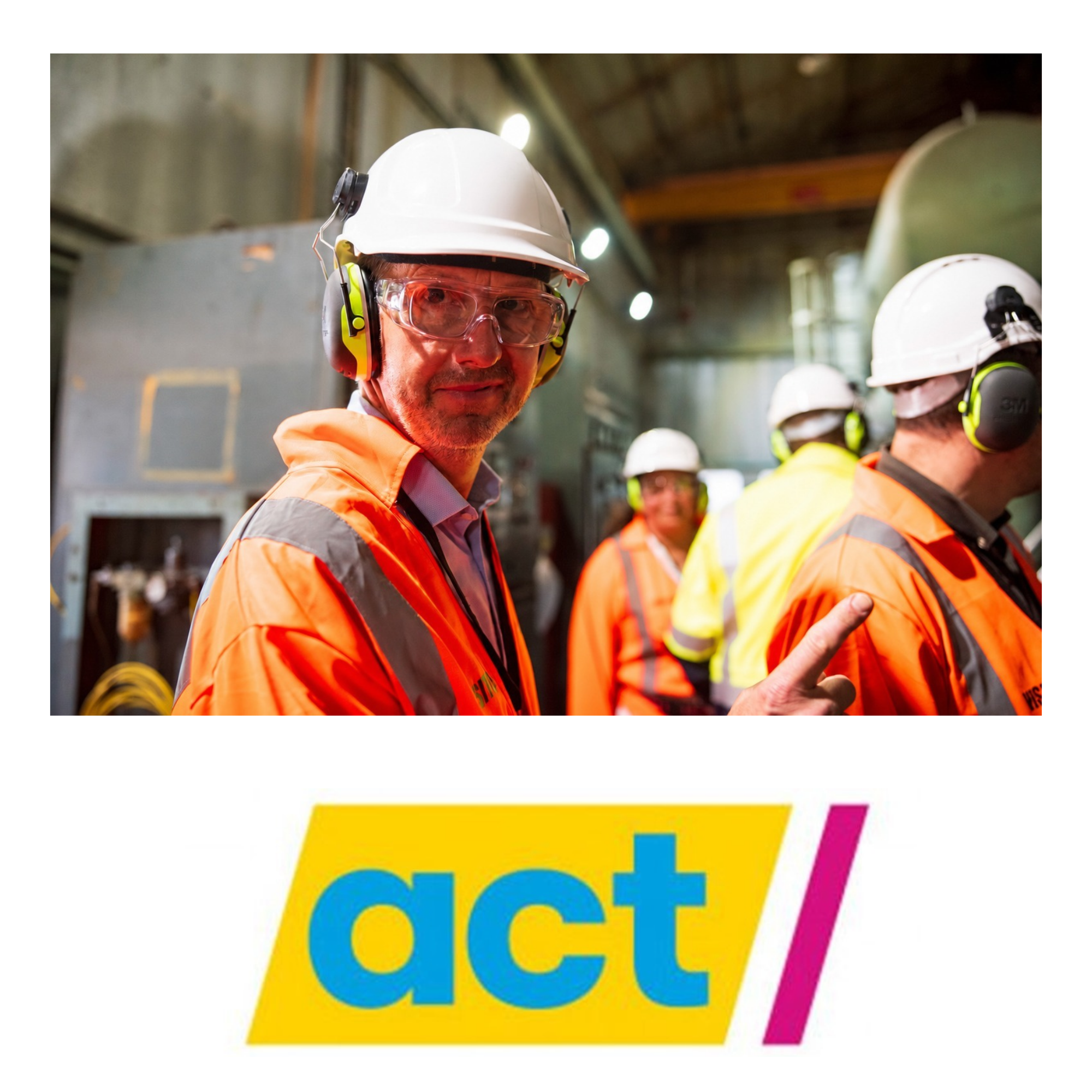
ACT Resources spokesperson Simon Court
Modern life depends on mining. The minerals used in phones, medical technology, buildings and energy infrastructure have to come from somewhere. New Zealand has resources of its own, and ACT wants New Zealanders to benefit from developing them responsibly to create well-paid regional jobs, stronger supply chains and royalties for the Crown. New Zealanders should be able to build mining careers here, rather than having to move to Australia or further abroad.
ACT would keep the Critical Minerals List up to date as demand, supply risks and geological knowledge change. Under the new planning legislation, we would establish national policy direction and standards for mines, quarries and mineral processing, while retaining fast-track access for eligible projects. We would amend conservation legislation and create planning documents that set clear criteria for exploration and extraction on land with lower conservation value. National parks and land protected under Schedule 4 of the Crown Minerals Act would remain excluded.
ACT would remove duplication between approval regimes. The Crown Minerals Act should allocate Crown-owned resources and assess applicants’ ability to carry out work programmes, planning and environmental law should manage effects, and the Exclusive Economic Zone and Continental Shelf (Environmental Effects) Act should provide a clear pathway for offshore development. We would set clear application requirements and decision deadlines, coordinate agencies’ timetables, and match assessments to a project’s scale and risk. We would also protect legitimate committed investment if the Crown unjustly withdraws permit rights, and put property rights in the New Zealand Bill of Rights Act.
A secure domestic supply of energy and minerals matters for New Zealand’s resilience, and gives our allies another source of the materials they need. ACT would keep onshore and offshore gas exploration open to applications when prospects emerge. We would establish clear rules for underground gas storage and use national standards to provide for reliable generation, including gas peakers and dual-fuel plants. Businesses should be free to choose the fuel that works for them, while the ETS prices emissions.
We would engage with people who understand the industry as these rules are developed and work with industry and training providers to build the workforce new projects need. Young New Zealanders should be able to see a pathway from education into mining careers. ACT would refocus Earth Sciences New Zealand on clearly defined public-good science to improve our understanding of resources on land and at sea.
ACT would target marine protection at significant ecological features and give regulators the power to amend conditions when unanticipated effects arise, require remediation and simplify conditions where evidence shows a lower risk.
Mining companies already undertake rehabilitation and restoration work. We would work with industry and conservation stakeholders on practical requirements for each site, including on conservation land. Operators should fund rehabilitation, closure and ongoing treatment, backed by financial assurance proportionate to their liabilities. Taxpayers should not be left with the cleanup bill.
New Zealand First’s Resources spokesperson Hon. Shane Jones
Please note: NZ First has yet to finalise its policies. This response draws inspiration from publicly announced policies for the upcoming elections, party principles, and past party policies – which may or may not be part of the NZ First Election Manifesto for 2026.
New Zealand First strongly supports responsible mining and resource development as a key part of New Zealand’s economic future. We see the sector as an important driver of economic sovereignty, export growth, regional prosperity, and well-paid jobs. Our 2026 Mining Policy Package: Fair Share for the Regions recognises that modern mining can support regional development while operating alongside strong environmental standards.
A cornerstone of the package is our 50% Mining Royalties to the Regions policy. Under this approach, half of all Crown mining royalties will be returned directly to the regions where they are generated. That funding can be used for local priorities such as infrastructure, water services, flood protection, energy projects, transport links, housing, and community development. We will also establish special mining zones in the West Coast and introduce permits that cover the full life cycle of a mine, including rehabilitation. Moreover, we’ll ensure Mines Rescue capability is properly funded and invest in modern geological surveying and advanced core-scanning technology to better understand and develop New Zealand’s mineral resources.
We are equally committed to building the skills and expertise needed to support the sector. This includes reopening the School of Mines, investing in training and workforce development, and backing science, innovation, and domestic mineral processing. Our goal is to move beyond a simple “dig and ship” approach so that more of the value created from New Zealand’s natural resources is retained here at home.
New Zealand First will continue reducing unnecessary red tape by reforming the Fast-track consenting framework and wider reforms replacing the Resource Management Act. We support a regulatory system that is clear, predictable, and proportionate, giving businesses the confidence to invest while ensuring environmental impacts are properly managed. Government decision-making should recognise the importance of both environmental stewardship and regional economic development.
Energy security is also a major priority. Through our Future Proofing Our Fuel Security policy, we will invest an initial $1 billion in a National Subsurface Development Survey to modernise geological and seismic data across energy, geothermal, and carbon storage opportunities. This work will help identify resources, attract investment, strengthen domestic supply, and reduce New Zealand’s vulnerability to international energy shocks. The policy also provides for fair public returns from future resource development and supports the potential creation of a sovereign wealth fund.
To further strengthen New Zealand’s strategic infrastructure, we will establish a Special Economic Zone at Marsden Point, incorporating the former refinery and Northport. The zone will focus on energy generation and distribution, maritime industries, and other strategic infrastructure, supported by faster and more efficient planning and consenting processes.
Taken together, these policies provide a practical framework for responsibly unlocking New Zealand’s mineral and energy potential. They are designed to strengthen resource and energy sovereignty, attract investment, create high-value regional jobs, increase domestic value-add, and ensure that communities hosting resource development receive a fair share of the benefits.
Our approach is simple, develop New Zealand’s natural resources responsibly, provide long-term certainty for investors, strengthen national energy security, create well-paid jobs, and make sure the regions generating wealth directly share in the prosperity they help create.

Labour Party Energy and Resources spokesperson Hon. Dr Megan Woods
Labour’s approach to energy and resources is guided by a clear principle: New Zealand’s mineral resources should be managed sustainably, responsibly and in the long-term interests of current and future generations.
New Zealand’s prosperity and future opportunities lie in the transition to an abundant renewable-energy economy. However, Labour recognises that this transition will take time and that minerals continue to play a role in the energy system in the immediate term. Minerals will also become increasingly important as New Zealand builds the infrastructure required for a renewable future, including generation, transmission, storage, electrification and emerging technologies.
Labour believes decisions about mining must be made in New Zealand’s best interests. That means appropriate government oversight, meaningful community engagement, robust environmental protections and a fair royalty regime. Mining can contribute to regional economies, employment and domestic supply chains, but it must occur in suitable locations and in a way that maintains public confidence.
In Government, Labour updated the Crown Minerals Act to reflect these expectations. Changing the Act’s purpose from “promoting” to “managing” the prospecting, exploration and mining of Crown-owned minerals recognised the need for a modern framework that balances economic opportunity with environmental responsibility, community interests and New Zealand’s evolving needs.
Responsible resource management is not an obstacle to investment or development; it is essential to building enduring social licence and certainty for the sector. A stable regulatory environment, transparent decision-making and clear environmental standards provide a stronger basis for investment than a system that overlooks local concerns or long-term impacts.
Labour also supports a ban on seabed mining. This does not include sand dredging, which Labour distinguishes from seabed mining. New Zealand’s oceans are environmentally and economically significant, and Labour believes their ecosystems must be protected for future generations.
The case for a precautionary approach is particularly strong as New Zealand considers the future of offshore renewable energy. Seabed mining and offshore wind development do not coexist elsewhere in the world. As New Zealand seeks to attract investment in offshore wind and other renewable-energy opportunities, regulatory certainty and strong environmental safeguards will be important to investor confidence.
Labour would amend relevant legislation and regulations, including the Exclusive Economic Zone and Continental Shelf (Environmental Effects) Act 2012, to give effect to this position. Labour would also review National’s proposed replacements for the Resource Management Act and its fast-track legislation to ensure environmental protection, public participation and long-term stewardship remain central to decision-making.
A credible resources policy must sit alongside a durable, long-term energy strategy. In Government, Labour progressed work toward an energy strategy through engagement with energy users, communities, iwi and the energy sector. The objective was to provide clear direction, support secure jobs, give businesses and communities confidence to invest, and help reduce energy costs for households and firms over time.
Labour remains committed to an enduring energy strategy that supports reliable and affordable supply, accelerates the transition to renewable energy, provides certainty for industry, and delivers benefits for households and businesses.

Green Party Resources spokesperson Steve Abel
The Green Party does not consider that responsible mine management makes all mining acceptable. We accept that some extraction is necessary, such as aggregates for infrastructure or some of the minerals required for our energy transition. We support the absolute highest environmental standards for these mines. We do not support new coal mines, gold mines, or seabed mines, and oppose these types of mines and expansion of gold and coal mining. Encouraging investment in these extractive, destructive, and toxic industries is not sustainable for communities or the environment.
We support a regulatory and legislative framework for mining that avoids and mitigates harms. We support reform of the resource management regime, conservation legislation, and various environmental and wildlife laws to create stronger protections for the environment, give effect to Te Tiriti o Waitangi, and preserve public participation and appeal rights. We have opposed the current Government’s reforms of resource management, conservation, and wildlife legislation, and we remain opposed to the Fast-Track Approvals Act and will revoke permits for any coal, gold, or seabed mines granted approval under this process.
While our views on mining may differ from your members, the Green Party remains open to engaging with industry representatives and workers. Our priority in any transition is to support workers, communities, and regional communities and achieve resilience. Where a policy proposal of ours impacts on employment, we accept an obligation to provide income support, retraining and investment in regional communities.
We do not support designing the curriculum around growth in a single industry; however, we do support well-funded trades training and apprenticeships, free tertiary education, and investment in geoscience, engineering, and environmental science capability, on which hazard management, water management, and renewable energy all depend. These skills are transferable and, in our view, serve students better than preparation for a sector whose long-term trajectory remains contested.
The Green Party supports increasing science funding, including marine and geological science. We support research directed at understanding our land and marine environments. We do not support research premised on the assumption that extraction is the objective.
We do not believe that New Zealanders’ interest in the environment has been supported by the current Government. A stable climate and functioning ecosystems are not simply interests to be weighed against employment and growth. Our preference is to exhaust efficient materials recovery and recycling to meet energy and technological demands where possible.
We acknowledge that the mining sector often undertakes restoration and rehabilitation work, and that the people who carry out this work often care about nature however this work is rarely sufficient to address losses and harms caused. We also note that many ecosystems, once lost, cannot be re-constructed – such as those found on the Denniston Plateau. Nor can we reconstruct a functioning seafloor. Our position remains that mining should not occur on the conservation estate, and we continue to advocate for Lan Pham’s Member’s Bill, the Crown Minerals (Prohibition of Mining on Conservation Land) Amendment Bill.
We remain open to respectful and constructive engagement, notwithstanding our differing views on the role of mining in Aotearoa New Zealand.