Support for mining positive
16 October 2026
Media release
It is positive to see support for mining in the first cut of the policy direction that will make the Natural Environment and Planning Acts work as intended, says New Zealand Minerals Council chief executive Josie Vidal.
Today the minerals council submitted on the Illustrative National Policy Direction (NPD), New Zealand’s New Planning System – Testing the Approach to National Policy Direction which is intended to translate the goals of the Acts that were passed just before Parliament rose for the General Election.
“Firstly, we hope this work continues after the election, and that the Acts are not tinkered with unnecessarily,” Vidal says. “We have to get resource management right in New Zealand so it is essential that the NPD provides the appropriate direction and balance if the new system is to be a success.
“While we are pleased the NPD offers good support for mining, we believe this is entirely appropriate given the role mining plays in the economy with jobs, work in regional areas, exports, and taxes, levies and royalties to the Government.
“It is important for us to be engaged in the process of finalising this policy direction so that we can highlight where there are inconsistencies and share industry knowledge of large complex projects such as mining.
“For example, we point out that we always need to consider that mining is locationally constrained. That means we can only mine where the minerals lie. It is really important when priorities, hierarchies, limits, competing land-use and zones are discussed, that constraint is front of mind.
“We have also noted some legislative inconsistencies. Some of the directives in the NPD are inconsistent with the new legislation, which has removed greenhouse gas emissions reduction from land use planning, given that it is more effectively dealt with under the Climate Change Response Act 2002.
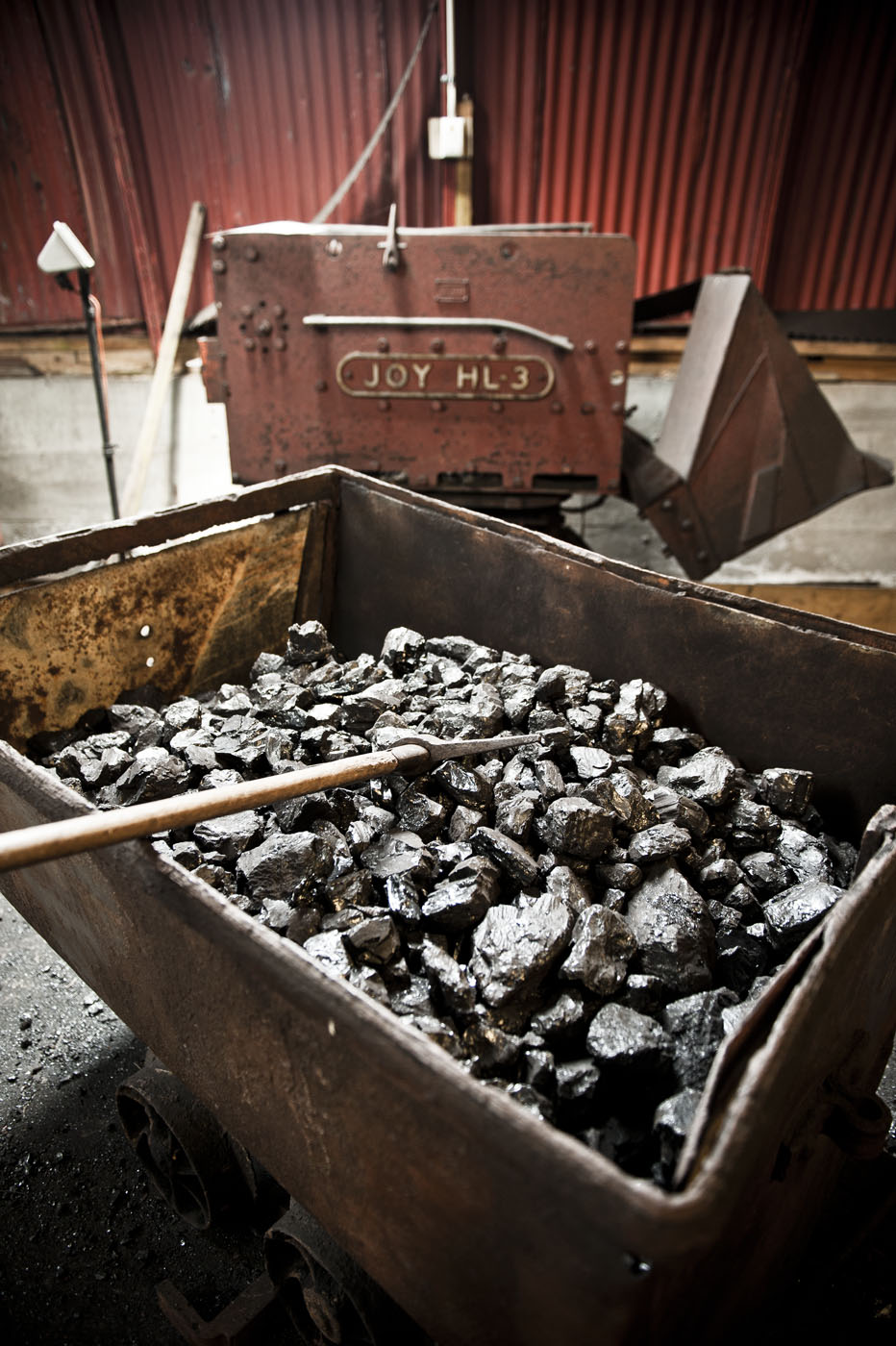
“While we support New Zealand’s increasing interest in renewable energy, the directive in this policy, as it stands, could throw up all manner of unintended consequences. For example, it could prevent a council from consenting the expansion of a coal mine which may be necessary to supply fuel for industrial process heat or electricity in a region where there are no alternative energy sources.
“The reality is the world is not yet done with coal.
“Our bottom line remains that applications to prospect, explore and mine for minerals are always dealt with on a case-by-case basis. That comes with recognition of the value of an environmental management approach that allows for mitigation, remedying, offsetting and compensation to achieve better outcomes for both the environment and the economy than a prescriptive approach of environmental limits,” Vidal says.
Other recent media releases